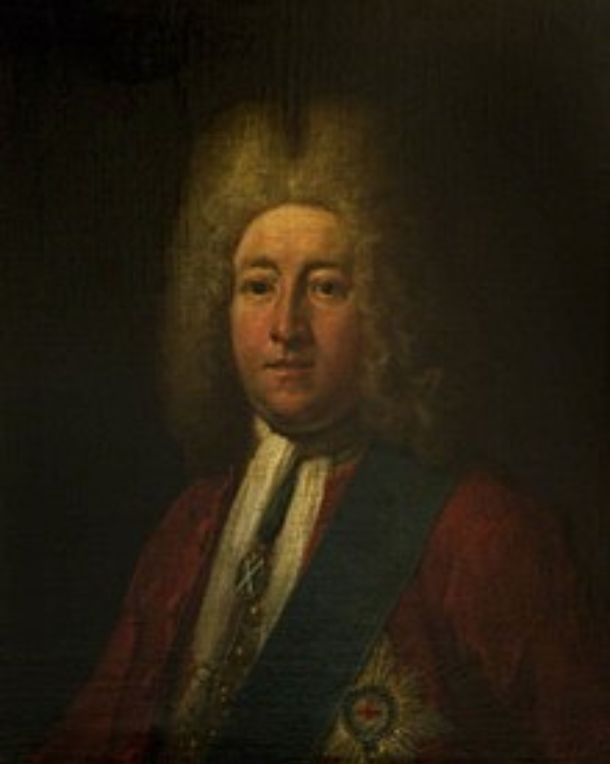
John Erskine, Earl of Mar: Unpacking a Jacobite's Treacherous Scottish Legacy Amidst Diverse Historical Echoes
While March 17th often conjures images of vibrant St. Patrick's Day parades and verdant celebrations worldwide, it also serves as a subtle reminder of the vast and varied tapestry of human history. Beyond the cultural festivities and observed holidays like March 17th Revealed: Diverse Holidays, Events, and Global Celebrations, the date allows us to reflect on complex figures whose actions shaped nations, leaving legacies far removed from modern revelry. One such figure is John Erskine, the 6th Earl of Mar, a man whose political fluidity and leadership in the 1715 Jacobite Rising cemented his place in Scottish history as both an influential nobleman and, to many, a treacherous opportunist. His story, deeply intertwined with Scotland's fate in the early 18th century, offers a fascinating study in ambition, shifting loyalties, and the enduring quest for power.
Known by the telling moniker "Bobbing John," Erskine's career was a masterclass in political maneuvering, oscillating between support for the post-Revolution settlement and a dramatic, fateful turn towards the Jacobite cause. Born in 1675 at Alloa Tower in Clackmannanshire, he inherited the ancient Earldom of Mar at the tender age of fourteen. His early life, shaped by an education at the Universities of Edinburgh and Leiden, prepared him for a prominent role in Scottish politics, a stage he would grace with both cunning and controversy.
From Union Advocate to Jacobite Rebel: The Shifting Sands of Allegiance
John Erskine's early career saw him align with the court party, a pragmatic choice for a young nobleman seeking influence. He represented Clackmannanshire in the last Scottish Parliament, a period of intense national debate that would fundamentally alter Scotland's trajectory. Erskine notably became a vocal advocate for the Act of Union in 1707, a controversial treaty that dissolved the Scottish Parliament and merged Scotland with England to form Great Britain. For his support, he was rewarded handsomely, securing appointments such as Secretary of State for Scotland under Queen Anne.
His championship of the Union, however, stood in stark contrast to the deep-seated opposition among many Scots who feared losing their national identity and sovereignty. Erskine's actions during this period reveal a keen political mind, capable of assessing the prevailing winds and positioning himself advantageously. Yet, this very pragmatism would later become his undoing, or at least, the source of his "Bobbing John" epithet.
The accession of George I in 1714 marked a significant turning point. With the Hanoverian dynasty taking the British throne, many who had served Queen Anne found themselves out of favour. Erskine was abruptly dismissed from his offices, a blow to his ambition and influence. This personal affront, coupled with the simmering discontent in Scotland over the Union and the perceived threat to the Stuart line, propelled him towards Jacobitism. It was a dramatic shift, transforming a Unionist stalwart into a champion for the exiled Old Pretender, James Francis Edward Stuart.
The '15 Rising: A Treacherous Bid for the Stuart Crown
On September 6, 1715, John Erskine made his audacious move, raising the standard for James Francis Edward Stuart at Braemar in the Scottish Highlands. This act ignited the Jacobite Rising of 1715, a rebellion aimed at restoring the Stuart monarchy to the British throne. Mar's influence and connections were formidable; he rapidly assembled an army of approximately 10,000 men, primarily Highlanders, a testament to his charisma and the enduring appeal of the Jacobite cause in certain parts of Scotland.
Mar's forces advanced to Perth, establishing a stronghold that threatened government control. The stage was set for a decisive confrontation. On November 13, 1715, his army clashed with government troops led by the Duke of Argyll at the Battle of Sheriffmuir. The battle itself was tactically inconclusive, often described as a stalemate, with both sides claiming victory. However, its strategic implications were devastating for the Jacobites. The lack of a decisive victory allowed loyalist reinforcements to arrive and consolidate their position, effectively stalling the rebellion's momentum and preventing Mar from marching further south.
Historians often debate Mar's leadership during the '15. Was he an inspiring leader who commanded loyalty, or a cautious general who missed opportunities for decisive victory? His failure to capitalize on initial numerical superiority at Sheriffmuir and his subsequent retreat are often cited as critical missteps that ultimately doomed the rising. The "treacherous" aspect of his legacy truly solidified here, not just in his switch of allegiance, but in the perceived betrayal of the Jacobite cause through ineffective command, leading many followers to their ruin.
Exile, Intrigue, and a Shifting Legacy for Mar-17
Following the failure of the 1715 Rising and the arrival of the Old Pretender, James, in Scotland (only to depart shortly thereafter), Mar fled to France with the exiled monarch. This act resulted in the forfeiture of his titles and estates under attainder, stripping him of everything he had inherited and worked for. His remaining years were spent in exile at the French court, a shadow of his former self, attempting to influence Jacobite strategy from afar. These attempts, however, met with little success, and he died in 1732, his reputation tarnished and his cause ultimately defeated.
John Erskine's life exemplifies the opportunistic and divisive nature of early 18th-century Scottish politics. His legacy, particularly through the lens of Mar-17 (a play on his surname and the year of the rising he led), remains a subject of historical debate. Was he a true patriot adapting to complex circumstances, or a self-serving individual whose allegiances shifted with the political winds? His actions had profound consequences, contributing to the ultimate suppression of the Jacobite cause and further cementing Scotland's place within the United Kingdom.
Insights into Political Allegiance and National Identity
Mar's story offers valuable insights into the dynamics of political allegiance during periods of profound national change:
- The Price of Ambition: Erskine's career demonstrates how personal ambition can drive individuals to make seemingly contradictory political choices, with significant consequences for themselves and their nation.
- The Nuances of "Treachery": What constitutes treachery often depends on one's perspective. To the Hanoverian government, Mar was a traitor; to ardent Jacobites, he was a champion of the rightful king, despite his earlier Unionist stance. This highlights the complex moral landscapes of civil strife.
- Enduring National Identity: Despite the failure of the '15, the Jacobite cause itself and figures like Mar underscore the enduring struggle for Scottish identity and autonomy, a theme that continues to resonate today.
- Historical Site Exploration: For those keen to connect with this history, visiting sites like Alloa Tower, Mar's ancestral home, or the battlefield of Sheriffmuir can offer a tangible link to his world and the tumultuous era he navigated.
Conclusion: The Enduring Echo of "Bobbing John"
John Erskine, 6th Earl of Mar, "Bobbing John," remains a compelling and controversial figure in Scottish history. His transformation from a proponent of the Act of Union to the leader of the 1715 Jacobite Rising illustrates the turbulent political landscape of the early 18th century and the often-fickle nature of allegiance. While March 17th is globally recognized for celebration, the historical echoes of figures like Mar remind us that every date on the calendar can hold stories of profound complexity, political intrigue, and enduring legacies. His "treacherous Scottish legacy," though debated, undeniably shaped the destiny of a nation, leaving a lasting imprint that continues to invite analysis and reflection on power, loyalty, and identity.